From Insights to Action: Applying Ecommerce Analytics to Optimize Your Multi-Channel Framework
Ecommerce analytics function as a fundamental pillar for organizations looking to optimize their cross-channel approaches. By transforming raw data into valuable insights, companies can enhance customer experiences and optimize marketing efforts. Essential metrics expose patterns in customer activity, supporting well-informed business decisions. However, the challenge of properly harnessing this data is frequently intricate. Grasping the complexities of these analytics can uncover meaningful benefits for businesses operating within a competitive environment. What steps must be taken to harness this potential?
Grasping Ecommerce Analytics: Why It Counts
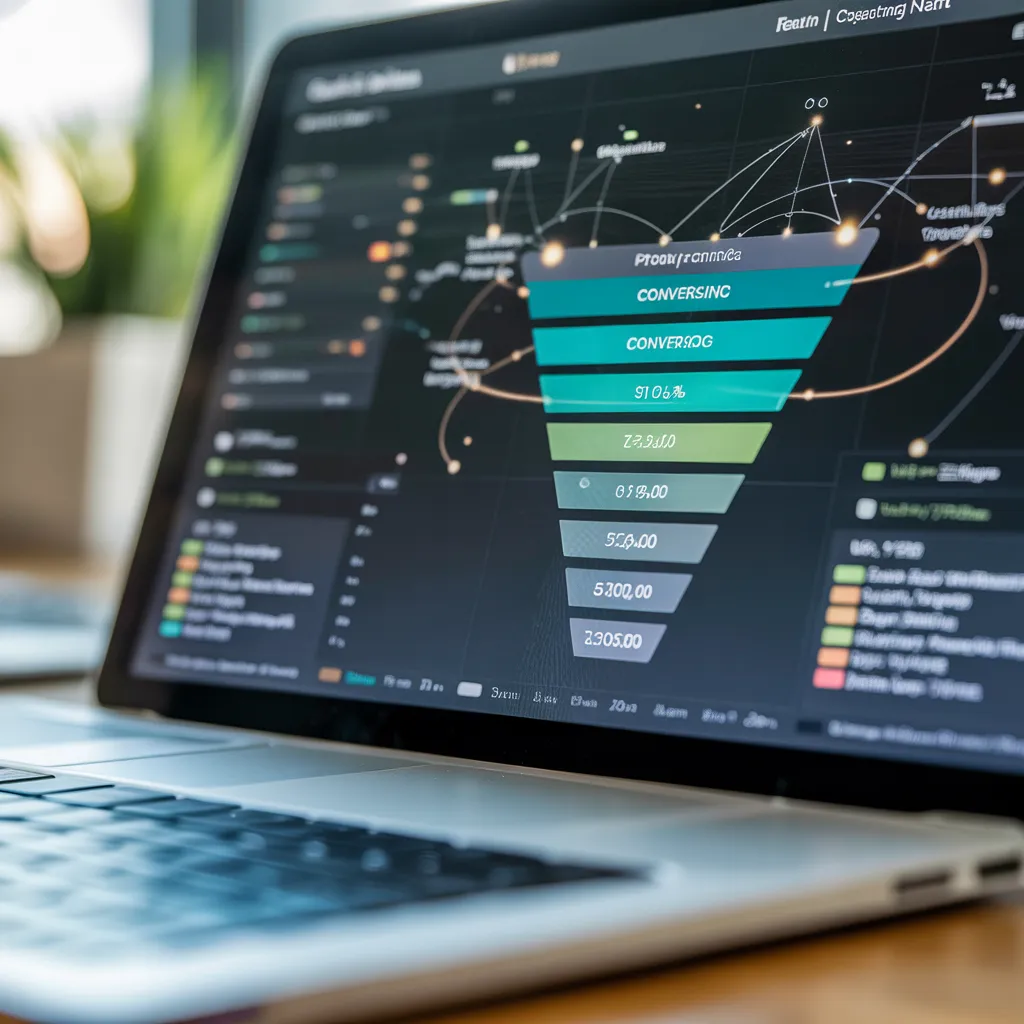
Within an ever-growing competitive digital space, grasping ecommerce analytics is essential for businesses looking to enhance their performance. Ecommerce analytics involves gathering and examining data connected to online shopping patterns, sales movements, and customer engagements across multiple platforms. By leveraging these insights, businesses can identify what drives customer engagement and conversion rates.
Additionally, ecommerce analytics empowers enterprises to evaluate the efficiency of their marketing campaigns, inventory management, and overall customer experience. This understanding enables companies to make informed decisions, customize their offerings, and elevate customer satisfaction. Since consumers increasingly engage across multiple platforms, comprehending the subtleties of their behaviors remains crucial for long-term growth. In the end, a thorough understanding of ecommerce analytics equips businesses with the tools needed to adapt to important resource market changes and strengthen their competitive edge in a constantly evolving landscape.
Vital Online Retail Data Metrics for Multi-Channel Performance
What metrics are essential for maneuvering the complexities of a multi-channel ecommerce strategy? Key performance indicators (KPIs) such as conversion rate, customer acquisition cost, and average order value serve as foundational metrics. Conversion rate measures the percentage of visitors who complete a purchase, highlighting the effectiveness of marketing efforts across channels. Customer acquisition cost indicates the resources necessary to secure new customers, empowering businesses to measure their marketing strategies' performance. Average order value delivers understanding of consumer spending habits, shaping pricing and promotional approaches.
Moreover, performance indicators such as customer lifetime value (CLV) and return on advertising spend (ROAS) provide more comprehensive visibility into long-term customer engagement and profitability. Analyzing these measurements helps ecommerce businesses to identify successful channels, optimize resource allocation, and enhance overall performance. With a strong emphasis on these vital analytics, organizations can develop strategic insights that support multi-channel achievement.
How to Collect Data Across Various Platforms
Comprehensive data acquisition across various platforms is essential for enhancing a multichannel ecommerce approach. Organizations can leverage various tools to collect insights from multiple sources, including email marketing, websites, and social media platforms. Using analytics tools like Google Analytics enables tracking of conversion rates and user interactions throughout all channels.
Incorporating CRM solutions aids in consolidating client information, providing a complete understanding of customer habits and preferences. Additionally, leveraging API integrations can facilitate efficient data transfer between platforms, ensuring instant updates and actionable insights.
Surveys and feedback forms can likewise serve as valuable tools for gathering qualitative data directly from customers. By leveraging these methods, businesses can create a robust data ecosystem that enhances decision-making processes. This comprehensive approach to data collection not only enriches understanding of customer journeys but also sets the stage for future personalized experiences.
Using Customer Behavior Data to Personalize Shopping Experiences
Within the realm of ecommerce, harnessing consumer behavior analytics can significantly improve the customer experience. By implementing tailored product recommendations, businesses can direct customers to products that match their interests. Moreover, dynamic pricing strategies enable real-time modifications that mirror personal purchasing behavior, enhancing both user involvement and conversion rates.
Individualized Product Advice
Tailored item suggestions greatly enhance the digital shopping journey by utilizing shopper activity data. By examining previous buying history, navigation patterns, and product ratings, online retail platforms can generate personalized suggestions that align with personal tastes. This focused strategy not only boosts shopper contentment but also strengthens brand commitment, as buyers feel acknowledged and respected. Additionally, utilizing machine learning algorithms empowers retailers to enhance their proposals progressively, keeping pace with changing consumer trends and preferences. As a result, personalized suggestions generate increased conversion rates and average order values, thereby resulting in enhanced profitability. By prioritizing personalized experiences, sellers can powerfully set themselves apart in a challenging retail landscape. This method exemplifies how data-driven insights can transform the shopping journey into a highly interactive and meaningful encounter.
Dynamic Pricing Techniques
Dynamic pricing models transform how e-commerce businesses react to customer behavior, enabling real-time adjustments based on demand, competition, and individual purchasing patterns. By examining consumer information, organizations can uncover tendencies and preferences, tailoring prices to enhance the shopping experience. For instance, prices may shift depending on the time of purchase, seasonal factors, or customer profiles, strategically drawing in likely purchasers. This approach not only increases profits but also elevates consumer fulfillment by providing tailored offers. Additionally, merging adaptive pricing with business intelligence cultivates a strategic benefit, as companies can swiftly adapt to market changes. Ultimately, leveraging customer behavior data for pricing decisions transforms transactional interactions into personalized experiences, driving loyalty and long-term growth in a cross-platform marketplace.
How to Apply Data to Optimize Marketing Strategies
Robust marketing plans are built upon a thorough understanding of audience segmentation analysis and campaign effectiveness metrics. By utilizing data-driven insights, businesses can tailor their marketing efforts to appeal to distinct customer demographics. This focused methodology not only boosts audience engagement but also improves total campaign performance.
Target Audience Evaluation
Recognizing the intended audience is crucial for enhancing marketing approaches in a multi-platform ecommerce landscape. By harnessing data-driven insights, organizations can uncover demographic trends, consumer preferences, and buying behaviors. Categorizing the target audience based on these insights facilitates customized marketing campaigns that connect more powerfully. For instance, examining user interactions across diverse channels can highlight which platforms yield the highest engagement, guiding resource allocation. Moreover, leveraging psychographic insights allows brands to craft messages that resonate with their audience's values and lifestyle. Regular assessment of market data ensures that marketing approaches stay current and adaptive to changing consumer trends. Ultimately, a thorough target audience evaluation increases the effectiveness of marketing efforts, driving improved customer acquisition and retention rates.
Campaign Performance Metrics
Examining campaign performance metrics provides critical information that can strengthen advertising efforts in a multi-channel ecommerce landscape. Through monitoring core performance factors such as conversion rates, return on advertising investment (ROAS), and audience interaction, organizations can identify which platforms produce the best overall returns. Reviewing indicators such as audience click metrics (CTR) and typical purchase amount (AOV) enables marketers comprehend customer patterns and inclinations. Moreover, segmenting data by demographics or channel allows for precise campaign modifications, ensuring resources are allocated effectively. Regularly reviewing these indicators cultivates a culture of data-driven decision-making, enabling advertising professionals to refine their strategies in real-time. Ultimately, leveraging campaign performance metrics is essential for enhancing promotional performance and driving consistent expansion in a rapidly evolving online retail landscape.
Crafting a Seamless Client Journey Using Insights
A strategically built customer journey can greatly enhance a business's ability to attract and keep customers across various platforms. By leveraging ecommerce analytics, businesses can acquire essential data into customer behaviors and preferences. This insight allows for the identification of key touchpoints where customers interact with the organization, enabling a uniquely individualized experience.
Analyzing the customer journey requires processing data from multiple sources, such as online engagement, social media interactions, and email communications. Such information can help businesses improve their messaging and customize messaging to unique preferences, delivering a unified experience. Moreover, gathering customer input and concerns provides opportunities for ongoing enhancement.
At its core, a frictionless customer journey not only builds loyalty but also elevates conversion rates. By employing analytics efficiently, brands can craft a well-rounded approach that engages customers, encouraging them to participate across multiple platforms while strengthening their connection to the brand.
Ecommerce Analytics Success Stories From Leading Brands
Success in ecommerce analytics is often showcased through the transformative journeys of prominent brands. Industry leaders like Amazon and Nike demonstrate how data-focused methods can enhance customer engagement and increase sales. Amazon utilizes powerful algorithms to evaluate purchasing patterns, enabling tailored recommendations that greatly boost conversion rates.
Nike, on the other hand employs advanced analytics to enhance its multi-channel strategy. By merging online and in-store data, Nike has enhanced stock management and customized its promotional strategies, leading to higher customer engagement and improved revenue.
Similarly, Sephora employs analytics to strengthen its customer journey through targeted promotions and loyalty programs, resulting in improved retention rates. Such success stories showcase the profound impact that ecommerce analytics provides, allowing companies to reach data-driven decisions and enhance their approaches efficiently. As market dynamics shift, the capability to leverage data insights will remain a critical factor for excelling in the dynamic ecommerce landscape.
Common Questions and Answers
How Frequently Should I Check My Ecommerce Analytics Data?
Routinely examining online store analytics at least once a week enables companies to identify trends, optimize strategies, and make informed decisions. Monthly thorough reviews continue to deepen insight into and alignment with shifting market conditions.
What Tools Are Best for Tracking Multi-Channel Performance?
Google Analytics, HubSpot, and SEMrush are exceptional solutions for monitoring multi-channel performance. They provide detailed analytics, enabling users to examine data from multiple platforms, refine marketing strategies, and enhance overall marketing effectiveness for better decision-making.
Is It Possible to Integrate Analytics With My Current CRM System?
It is entirely possible to integrate analytics with an existing CRM system. Many CRM platforms offer built-in features or compatible plugins that facilitate data synchronization, empowering businesses to harness insights for greater customer engagement and more informed decision-making.
How Do I Protect Data Privacy Within My Analytics Approach?
To protect information privacy in analytics, organizations should establish strong encryption, perform routine audits, and comply with guidelines like data protection regulations. Educating staff on data handling practices further safeguards confidential data while maintaining customer trust.
Which Common Mistakes Should I Avoid When Using Ecommerce Analytics?
Frequent errors in ecommerce analytics include disregarding data reliability, failing to set clear objectives, disregarding customer grouping, overlooking mobile analytics, and failing to consistently analyze findings. These errors can hinder effective decision-making and strategy development.